When Bird Nests Become a Ventilation and Fire Safety Issue
When bird nests block ventilation or pose fire safety risks, local contractors can safely remove nests and prevent hazards in your home or property.
Homeowners and property managers in the area often face concerns about bird nests obstructing ventilation systems or creating fire hazards. When bird nests become a ventilation and fire safety issue, they can impede airflow, leading to decreased energy efficiency and potential health risks. Recognizing the signs early and understanding the importance of proper removal can help maintain a safe and functional property. Local contractors specializing in bird nest removal are equipped to handle these situations safely and effectively, ensuring that nests are managed without causing damage or disturbance.
Exploring this topic is especially relevant for those who notice increased debris buildup, unusual odors, or signs of nesting activity near vents and chimneys. Addressing bird nests promptly can prevent blockages and reduce the risk of fire hazards associated with nesting materials close to heat sources. Service providers in the area offer professional bird nest removal services that can help property owners maintain proper ventilation and uphold safety standards. Keep reading to learn more about how local experts can assist in managing bird nests and safeguarding your property.
- Bird nest removal services are needed when bird nests obstruct ventilation systems, posing fire hazards, and local contractors can safely remove nests to prevent potential safety issues.
- Bird nest removal services become necessary when nests are built near attic vents or exhaust fans, which can block airflow and increase fire risks, with local pros carefully clearing these obstructions.
- Bird nest removal services are sought when accumulated nests inside chimneys or vents threaten to cause blockages, prompting local contractors to perform safe and effective removals.
- Bird nest removal services are essential when nests are located close to electrical fixtures or vents, as they can lead to fire hazards, with local pros providing expert nest removal solutions.
- Bird nest removal services are required when nests interfere with ventilation pathways, creating fire safety concerns, and local service providers are available to handle the removal process responsibly.
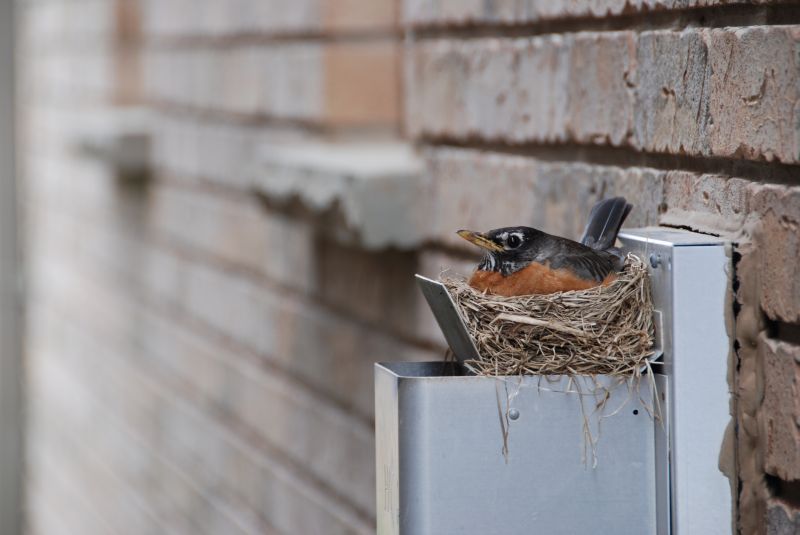
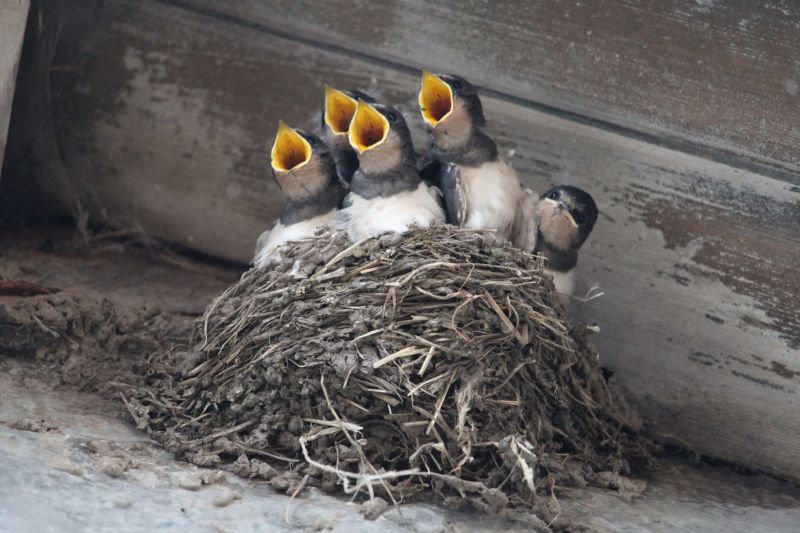
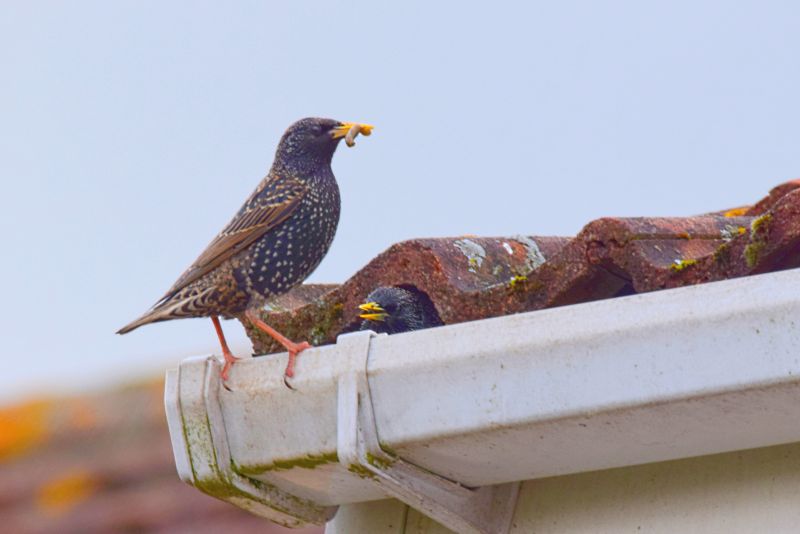
When people search for information about when bird nests become a ventilation and fire safety issue, they are often concerned about how bird activity can impact the safety and functionality of their property. Bird nests built in or near ventilation systems, attic vents, or chimney areas can obstruct airflow, leading to poor ventilation inside the home. This can cause moisture buildup, mold growth, and increased indoor air pollution. Additionally, nests made of dry materials like twigs, leaves, and feathers can pose a fire hazard if they come into contact with heat sources or electrical components. Homeowners might notice reduced airflow, strange odors, or an uptick in pests, prompting them to seek professional assistance to address these safety concerns.
These issues are commonly related to property renovation plans, pest management, or routine maintenance. For example, when upgrading or repairing attic ventilation systems, homeowners may discover bird nests blocking vents or chimneys. In some cases, nest removal becomes necessary to restore proper airflow and ensure fire safety. Property owners might also be looking to prevent future nesting activity in critical areas, especially if previous bird activity has caused damage or safety risks. Understanding the connection between bird nests and ventilation or fire hazards helps homeowners realize the importance of timely removal and proper maintenance to prevent costly or dangerous problems down the line.
The types of properties most often affected by bird nests becoming a ventilation and fire safety issue include residential homes, especially those with attic vents, chimneys, or roof openings. Single-family houses, duplexes, and multi-unit apartment buildings all have features that can attract nesting birds. Commercial properties with ventilation systems, warehouses, and barns may also experience similar issues, particularly if they have open or accessible roof areas. Structures located near trees, parks, or other natural habitats are more likely to encounter bird activity, making it essential for property owners to monitor and maintain their ventilation components regularly. Recognizing the common property types affected can help homeowners and managers better prepare for potential bird-related safety concerns.
When bird nests interfere with ventilation or create fire risks, local service providers specializing in bird nest removal are essential partners in addressing the problem. These professionals understand how to safely and effectively remove nests from vents, chimneys, and roof areas, reducing the risk of blockages and fire hazards. They can also advise on measures to prevent future nesting, such as installing bird deterrents or protective covers on vents and chimneys. Engaging experienced local pros ensures that the job is done correctly, minimizing damage to the property and reducing the likelihood of recurring issues. Proper nest removal and prevention help maintain safe airflow and protect the property from potential fire hazards caused by accumulated nesting materials.
Bird Control and Nest Removal - professionals who specialize in safely removing bird nests to prevent ventilation blockages and fire hazards in buildings.
Gutter Cleaning and Maintenance - services that address debris buildup caused by bird nests, reducing fire risks and improving airflow in ventilation systems.
Ventilation System Inspection - experts who assess and clear obstructions caused by nests, ensuring safe and efficient airflow within HVAC units.
Chimney Sweeping and Safety Checks - contractors who remove nests from chimneys to prevent fire hazards and ensure proper ventilation.
Roof and Attic Inspection - services that identify and eliminate bird nests that may compromise ventilation and pose fire safety concerns.
Exclusion and Bird Proofing - specialists who install barriers to prevent future nesting, reducing the risk of ventilation blockages and fire hazards.
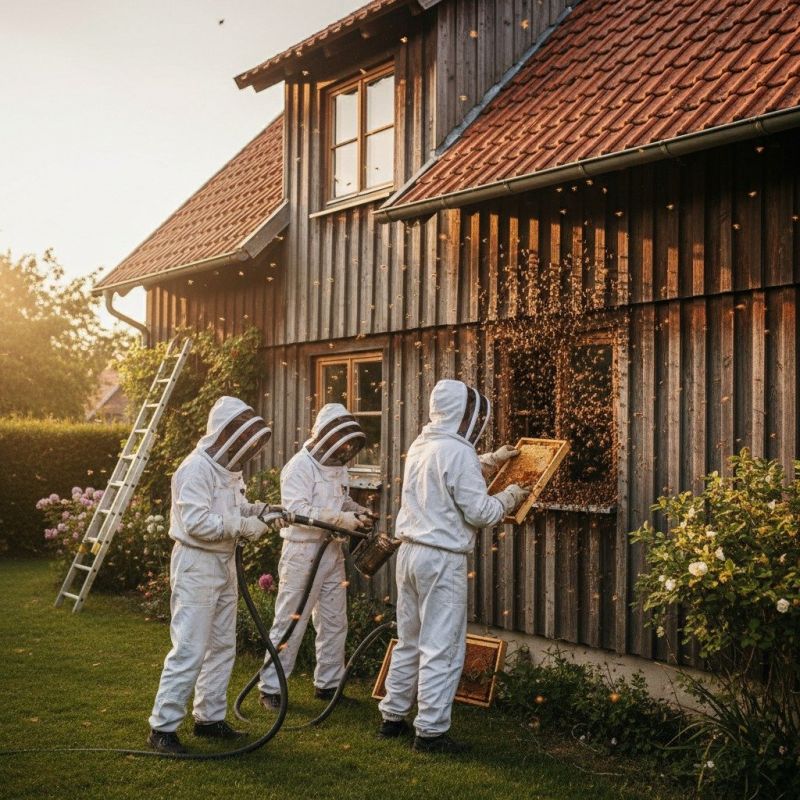
When evaluating service providers for bird nest removal related to ventilation and fire safety concerns, it is important to consider their experience with similar projects. Homeowners should seek out local contractors who have a proven track record of handling bird nest removals in ventilation systems and chimney areas. An experienced provider will understand the complexities of safely removing nests without causing damage to the structure or creating unnecessary hazards. Asking about past work involving ventilation and fire safety issues can help determine if a contractor has the necessary background to address these specific concerns effectively.
Clear written expectations are essential when comparing local pros for bird nest removal services. Homeowners should look for providers who can offer detailed descriptions of what the removal process entails, including any necessary cleanup or preventative measures. Having a transparent outline of the scope of work helps ensure that both parties understand what will be done and reduces the likelihood of misunderstandings. Service providers who communicate their procedures clearly can help homeowners feel more confident in the process and ensure that safety considerations are prioritized throughout the project.
Reputable references and good communication are key factors when choosing local contractors for bird nest removal. Homeowners are encouraged to request references from previous clients who had similar bird-related issues, especially those involving ventilation and fire safety. Feedback from past customers can provide valuable insights into a contractor’s reliability, professionalism, and effectiveness. Additionally, service providers who maintain open lines of communication-responding promptly to questions and providing updates-are more likely to deliver a smooth and satisfactory experience. Ensuring that the chosen professional values clear dialogue can help address concerns and facilitate a successful resolution of bird nest-related safety issues.
Property owners often search for when bird nests become a ventilation and fire safety issue when they are planning practical projects around their homes and businesses. Local pros provide Bird Nest Removal services for everyday jobs and straightforward project options.
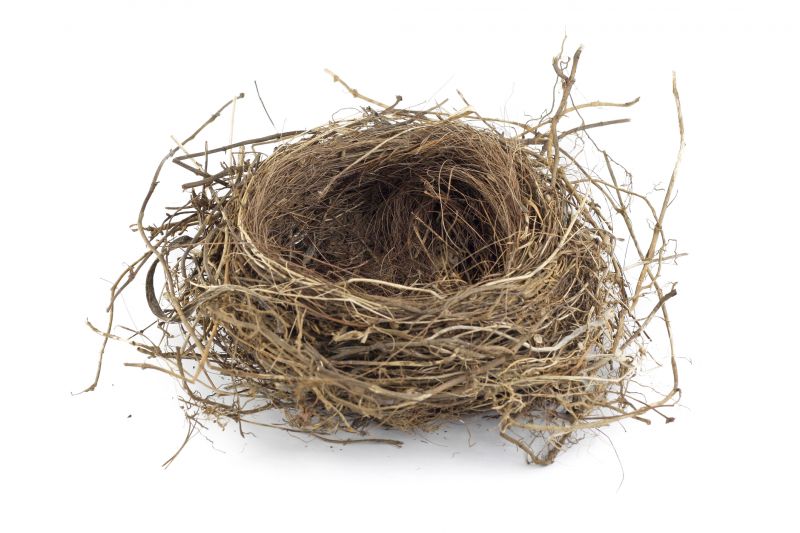
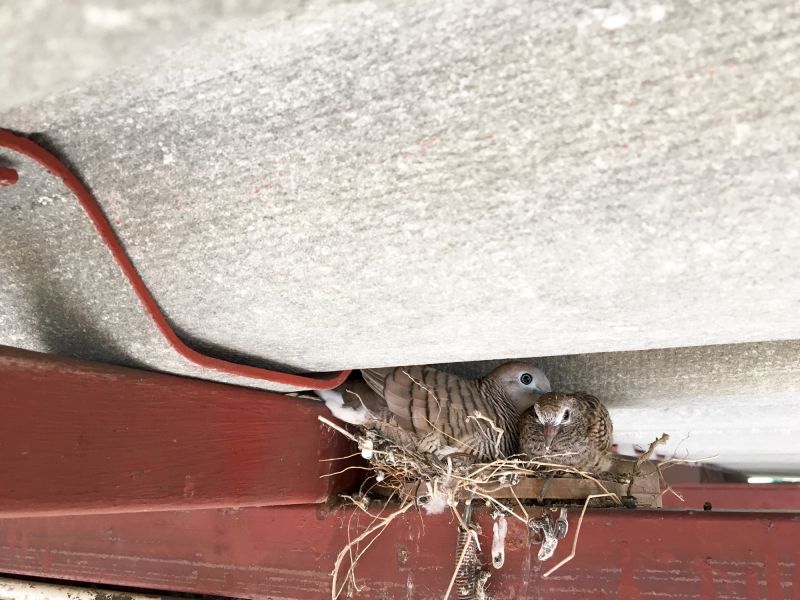
Bird nests often appear in roof vents, attic eaves, and chimney areas, especially during breeding seasons. While they may seem harmless at first, these nests can block airflow, leading to poor ventilation inside the property. Over time, accumulated debris and nesting materials can create fire hazards by increasing the risk of sparks or heat buildup, especially around electrical components. Property owners in the area who notice bird activity near vents or see nests forming in these spaces should consider consulting local contractors experienced in bird nest removal to prevent ventilation issues and ensure fire safety.
Removing bird nests from ventilation areas is a task best handled by professionals who understand local wildlife habits and building safety standards. Local service providers can safely and effectively clear nests, preventing blockages and reducing fire risks. Engaging experienced contractors ensures that nests are removed properly without causing damage to the property or disturbing local bird populations unnecessarily. Property owners concerned about the safety implications of bird nests can explore options for professional removal to maintain proper ventilation and uphold fire safety measures.
Why do bird nests become a fire safety concern? Bird nests can block ventilation systems and create fire hazards by accumulating dry nesting materials near heat sources or electrical components, increasing the risk of fire.
When do bird nests start impacting ventilation systems? Bird nests typically become a ventilation issue when they are built in or near vents, exhaust fans, or chimney openings, obstructing airflow and reducing system efficiency.
How can local contractors help with bird nest removal for safety reasons? Local service providers can safely remove bird nests from ventilation areas, ensuring proper airflow and reducing fire risks, while preventing damage to the building’s systems.
Are there safety precautions to consider during bird nest removal? Yes, professionals take precautions to avoid disturbing wildlife and to safely remove nests from areas that could pose fire or ventilation hazards.
What signs indicate that a bird nest may be a fire or ventilation safety issue? Signs include reduced airflow from vents, strange odors, visible nests blocking vents, or birds nesting in or near heating and ventilation equipment.
Identify nesting sites early - property owners can inspect vents and eaves regularly to spot bird nests before they cause ventilation or fire safety issues, allowing timely removal services from local contractors.
Ensure proper vent screening - installing or upgrading vent covers with fine mesh can prevent birds from building nests in the first place, making it easier for local pros to access and remove existing nests safely.
Schedule seasonal inspections - planning routine checks during nesting seasons helps property owners stay ahead of blockages and potential fire hazards, with local bird nest removal experts providing professional assessments.
Maintain clear ventilation pathways - keeping vents free of debris and nesting materials ensures proper airflow and reduces fire risks, with local service providers available to assist with safe and effective nest removal.
If you are thinking about when bird nests become a ventilation and fire safety issue for a property, this guide is meant to help you understand this topic, the typical project types, and how different options might fit your plans.
When you are ready, you can use the quote form on this page to share a few details about your project. From there, local pros can review the basics and follow up with options that match what you have in mind.